
Nothing Is Real, Everything Is Real: An Interview with Michelle Steinbeck and Jen Calleja
Michelle Steinbeck and Jen Calleja on fascism, femicide, and ghosts.
Michelle Steinbeck and Jen Calleja on fascism, femicide, and ghosts.
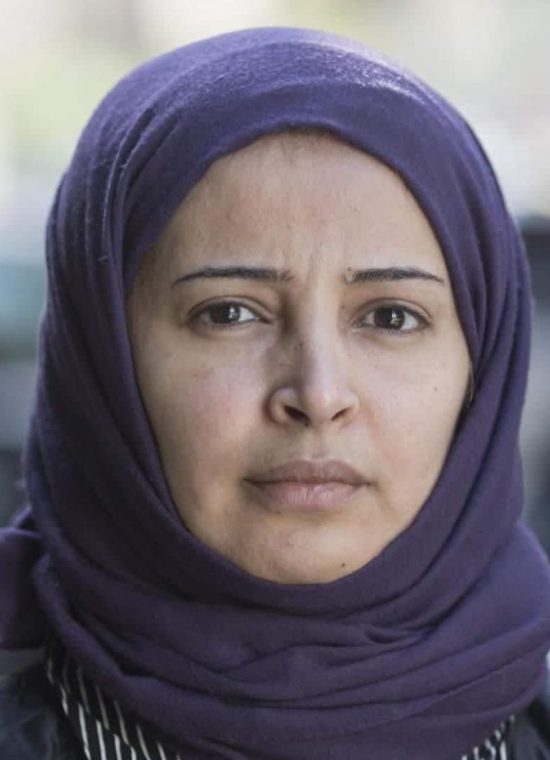
Bushra al-Maqtari on how Sana’a, Yemen, has changed. Translated by Sawad Hussain.
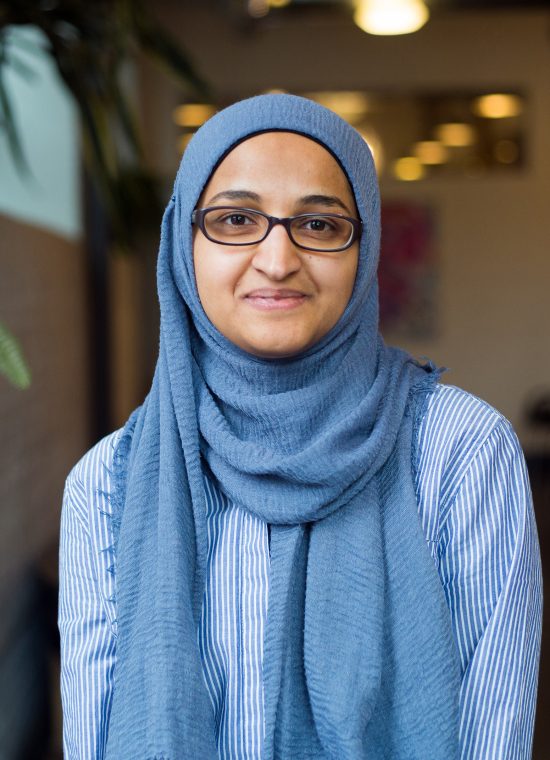
Hajera Khaja on telling her friend's story.

Magdalena Blažević on the massacre of Kiseljak.

Rana Haddad and Raphael Cormack on holy men, charlatans, and how 'East' and 'West' saw each other.
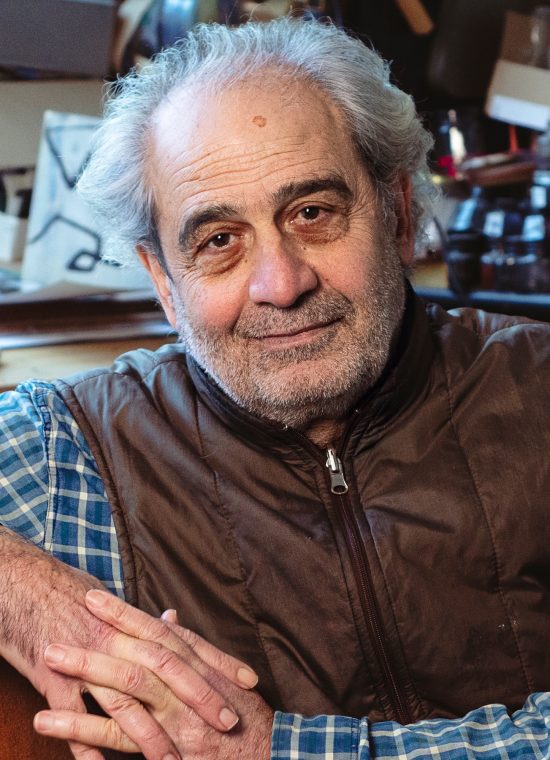
Issam Kourbaj on found art, the imagery of boats, and urgent archives.
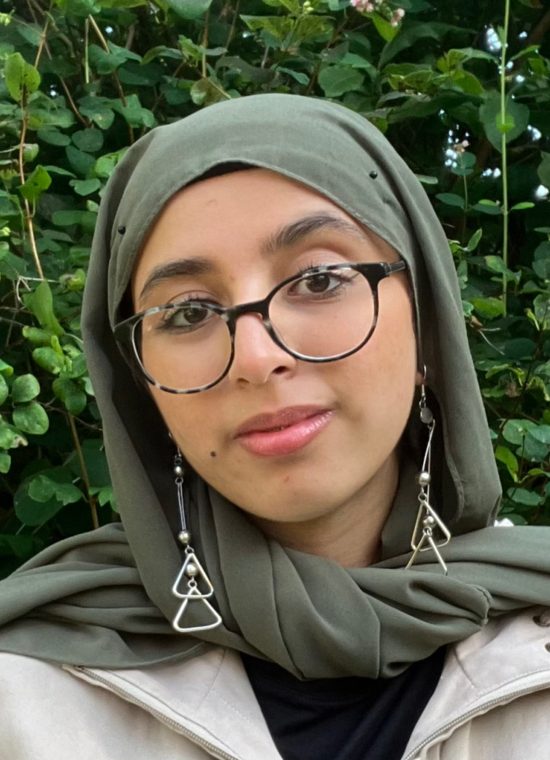
Tayiba Sulaiman on memorialisation.

Syrian writer Rosa Yassin Hassan on exile. Translated by Nawara Mahfoud.

Daniel Loedel on ghost stories, love stories, and searches after the 70s Argentine dictatorship.
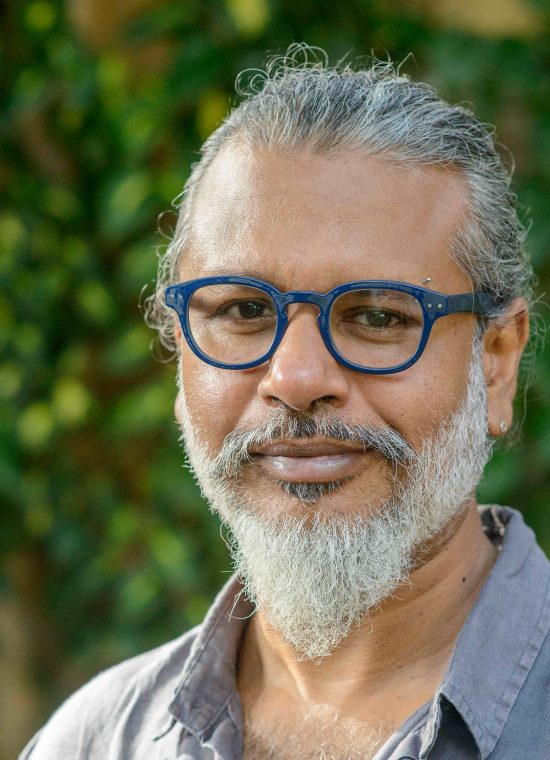
Shehan Karunatilaka on language, living history, labour and luck.

Yara Rodrigues Fowler on material as a part of reading, the making of zines, and writing there are more things.

Lebanese writer and actress Dima Mikhayel Matta writes on quarantine, revolution, and being queer in Beirut.
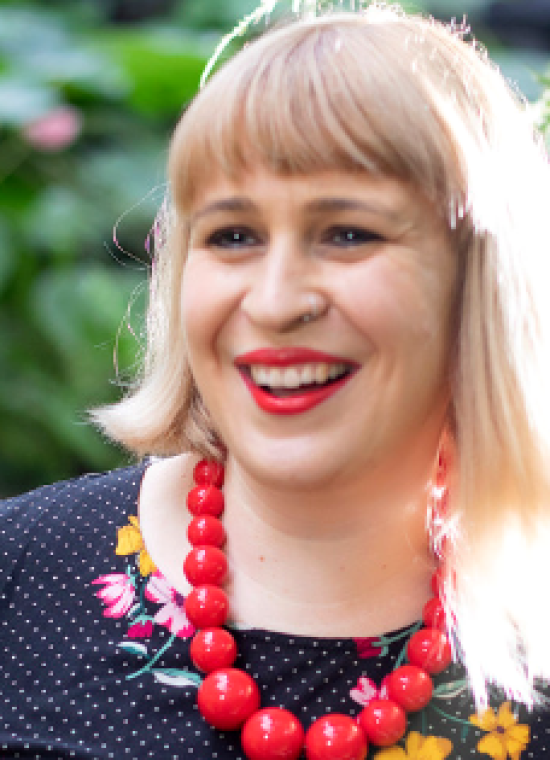
Jan Carson reflects on being Northern Irish in the age of Brexit.
Theodora Sarah Abigail (Ebi) reflects on how motherhood has upended her life.
Austrian writer Robert Menasse’s The Capital (translated from German by Jamie Bulloch) has been called ‘the first EU novel’. We talked to him about political writing and his belief in the EU as a transnational project.

Ece Temelkuran is an award-winning Turkish writer now based in Zagreb. We caught up with her during her book tour to talk about politics, the marketplace of ideas, and how writers in exile are victimised.

As the UK makes its way through the interminable Brexit process, it's time for an issue on the radical political and personal changes that we see going on around us, and within us.

Following her appearance at the Literary Translation Centre for London Book Fair 2013, Samia Mehrez writes about working collaboratively on the book Translating Egypt’s Revolution: The Language of Tahrir, which uses multiple perspectives to translate the linguistic and cultural meanings of the momentous events in her country
PEN Atlas contributor Gregor Benton looks at revolution, resistance and the Beijing University literature class that harboured three of China's best-known intellectual and political adversaries, in light of his forthcoming translation of Mei Zhi's prison memoirs F: Hu Feng's Prison Years.
