
A Matter of Conscience: Alice Oswald
Alice Oswald on what it means to write with and from conscience.
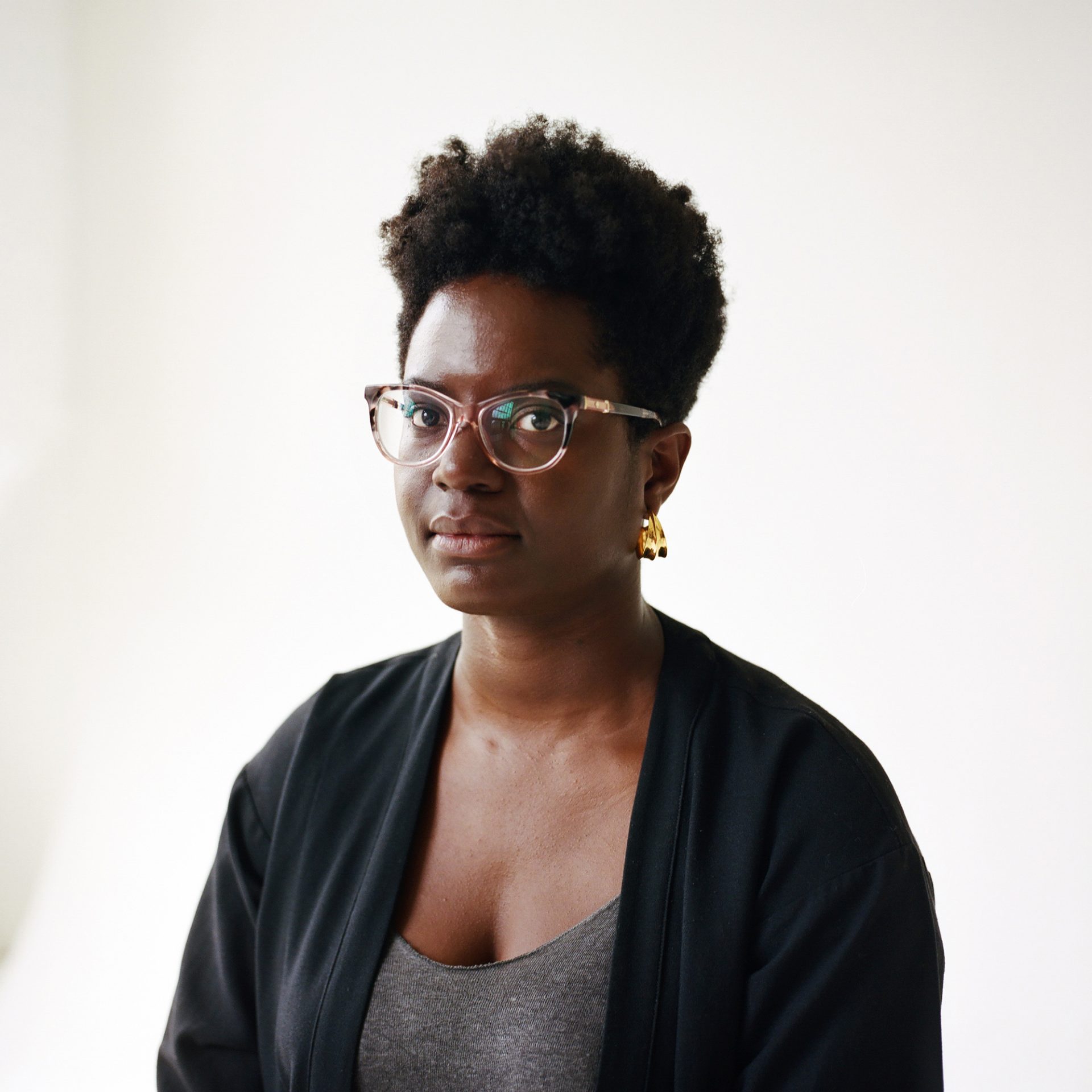
This piece was commissioned by Charleston and English PEN for “A Matter of Conscience”, an event at Charleston Festival 2026 on 16 May 2026, with Reni Eddo‑Lodge, Alice Oswald and Ahdaf Soueif.
I used to think that my conscience was evident in the positions I took. I thought it meant signing open letters, writing moral statements, condoning or condemning. Now I understand that that was an incomplete view. There is nothing at all external about having a conscience. It’s an entirely interior thing. I think mine lives in my gut. It communicates with my brain often, alongside my anxiety (which lives in my head), my id (on my left shoulder) and my superego (on my right). In searching for it, I sort the wheat from the chaff. When I successfully find my conscience, I find my north star.
On the page (and when done well), being guided by my conscience can lead to alchemy: a rare meeting of minds between a writer and a reader. My job as a writer is to repeatedly think it through, enough times that a reader’s brain flashes with recognition in response to something they have not yet articulated alone.
In the summer of 2020, anchored to screens and free of distractions, our collective attention narrowed. Busier times mean that a conscience can be drowned out by obligation, routine, or desire. The tumult of 2020 required us to tune into it.
In the space of a few days, Rhian Graham’s conscience developed rapidly. A global outcry against George Floyd’s murder had stirred something in her, and a friend suggested she read my book. Years later she told me that she felt a bit ashamed of herself, as though she had let a lot of how the world functions pass her by. A protest against racism was planned just days later in Bristol city centre, and she was determined to attend. Rhian’s decisions on that day, led by her conscience, resulted in her becoming one of the Colston Four. In the thick of the crowd, she and others made a beeline for the city’s statue of philanthropist and slave trader Edward Colston. Using ropes and teamwork, they pulled it down.
The Colston Four were charged with causing criminal damage and sent to trial. They were acquitted in 2022.
When I learnt that Rhian had mentioned my book in court, I made it my mission to find her. We met on a sunny day, and together we visited the statue’s empty plinth. Rhian gestured to a dent in the pavement where it initially struck the ground. ‘That impact on the floor,’ she said, ‘reverberated out from the city.’ That day, she gifted me a piece of the knotted rope that toppled the statue. It’s framed in my living room now, a consequence of my conscience, and hers. The words I wrote years prior didn’t stay static on the page. I look at the rope in its frame. It exists because of a chain that includes me.

Reni Eddo-Lodge is a London-based, award-winning journalist and writer. She has written for the New York Times, the Voice, Daily Telegraph, Guardian, Independent, Stylist, Inside Housing, the Pool, Dazed and Confused, and the New Humanist. She is the winner of a Women of the World Bold Moves Award, an MHP 30 to Watch Award and was chosen as one of the Top 30 Young People in Digital Media by the Guardian in 2014. She has also been listed in Elle‘s 100 Inspirational Women list, and The Root‘s 30 Black Viral Voices Under 30.
Her first book Why I’m No Longer Talking to White People about Race won the 2018 Jhalak Prize, was chosen as Foyles Non-Fiction Book of the Year and Blackwell’s Non-Fiction Book of the Year, was longlisted for the Baillie Gifford Prize and the Orwell Prize and shortlisted for the British Book Awards Non-Fiction Narrative Book of the Year and the Books Are My Bag Readers Award for Non-Fiction. In 2020, she became the first Black-British author since records began to top the overall Nielsen charts, and in 2021 she received a Nielsen Gold Bestseller Award for sales surpassing 500,000.
Alice Oswald on what it means to write with and from conscience.
Ahdaf Soueif on what it means to write with and from conscience.

Hannah Branston and Ade Adedeji on art and activism.
Kamila Shamsie's 2025 PEN Lecture.