
To Which Homeland Should I Send My Letter?
Kamran Sajid on Panjabi folk music
Kamran Sajid on Panjabi folk music
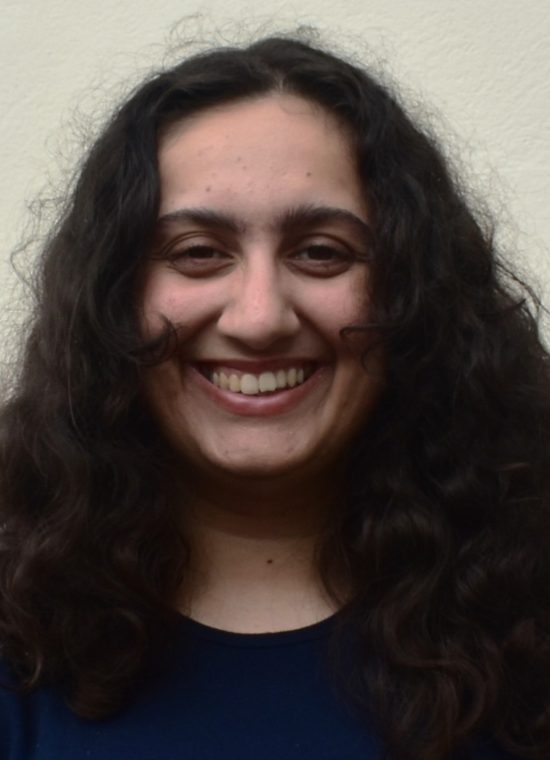
AJ Layla on legacy and creative instinct.

Adèle Oliver on drill, resistance, and the Art Not Evidence campaign.
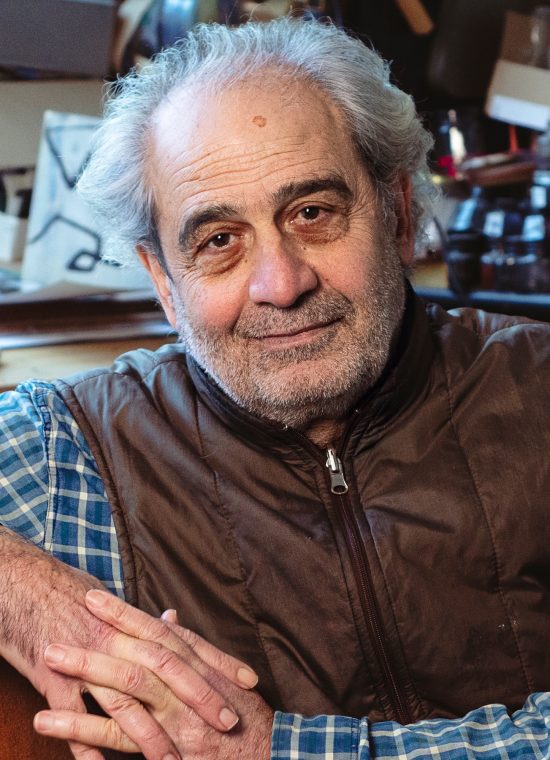
Issam Kourbaj on found art, the imagery of boats, and urgent archives.
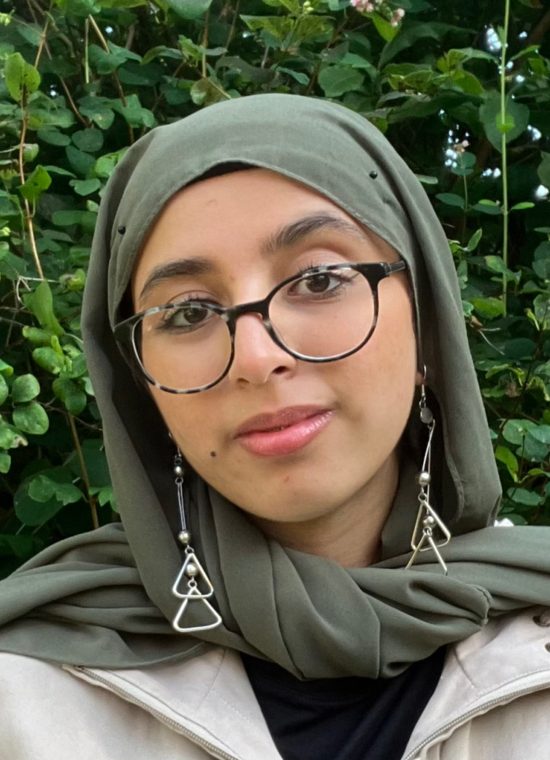
Tayiba Sulaiman on memorialisation.
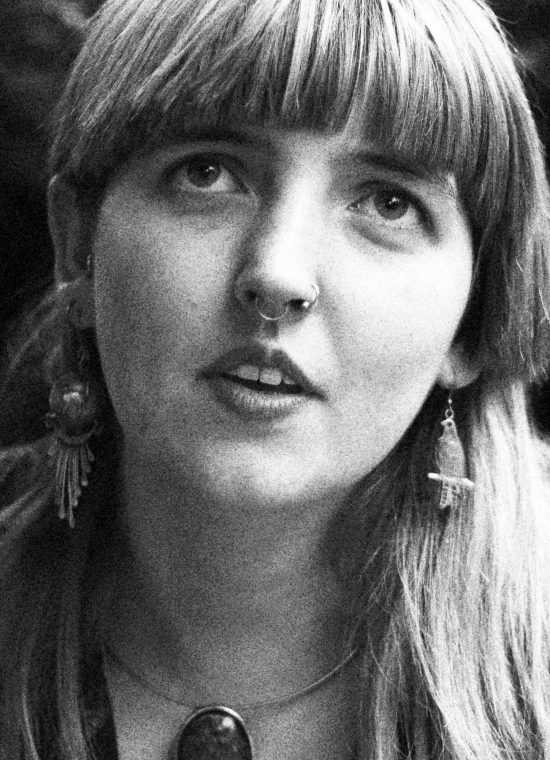
Tallulah Howarth on embracing your poetic mind.

Finlay Worrallo on writerly intentions and the translation of ideas.
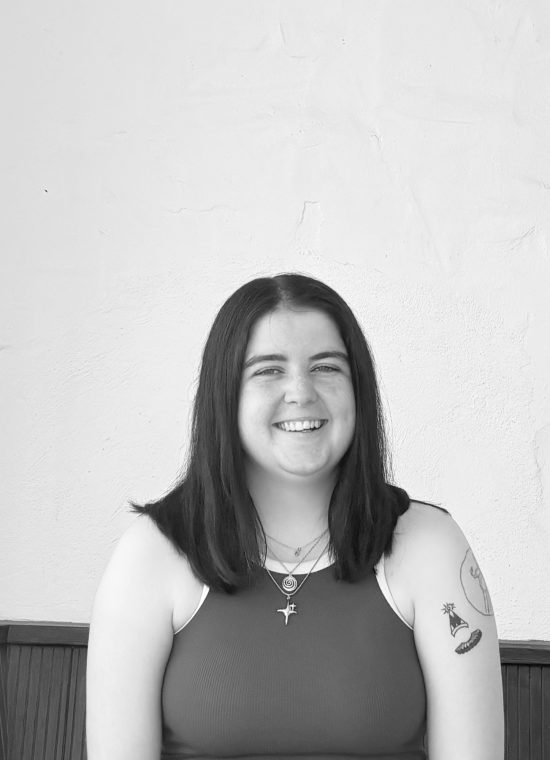
Jade Prince on writing Gen Z authentically for the screen.
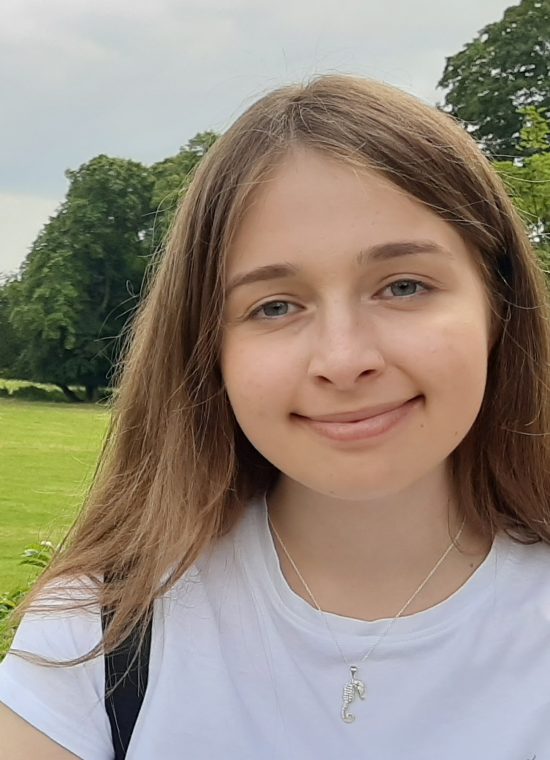
Elena Barham on the the ongoing lack of access to the arts for working-class writers.

Abhijeet Singh on the relationship between photography and literature.
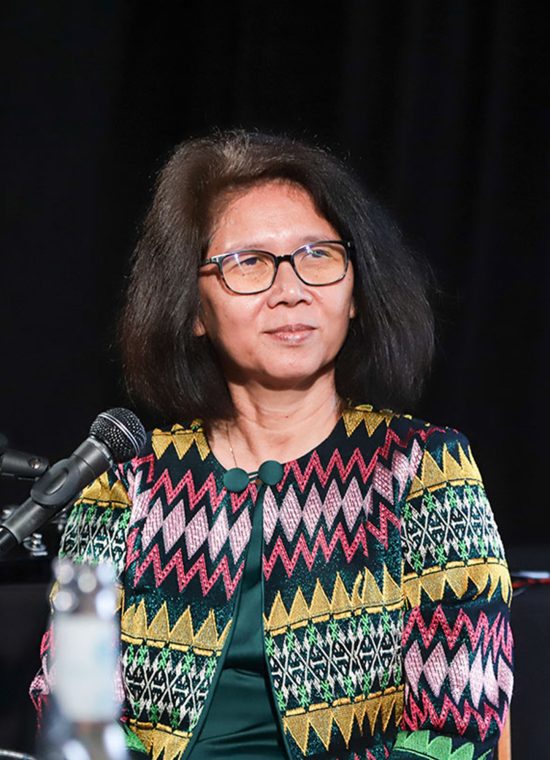
Ma Thida on freedom, art, and Myanmar.

Mariam Jallow on the folklore, fear, and storytelling.

Ben Okri on climate crisis, the purpose of writing, and what we leave behind.
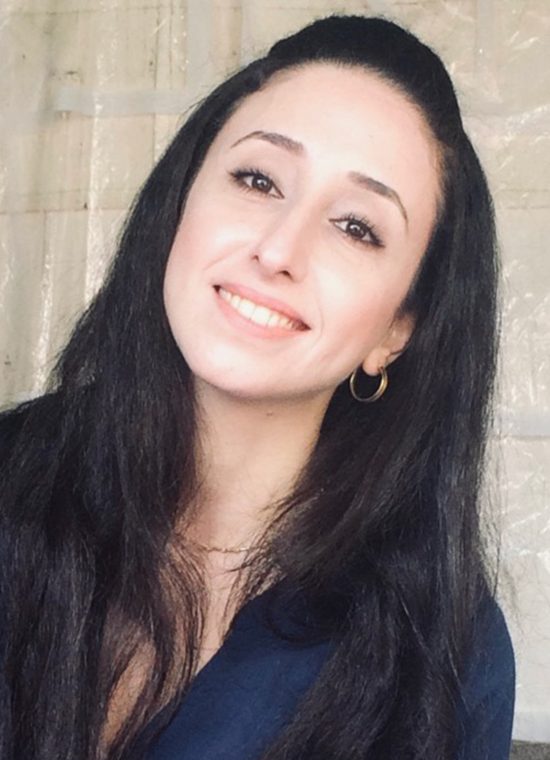
By Gazan writer Nayrouz Qarmout, translated by Sawad Hussain and Perween Richards.
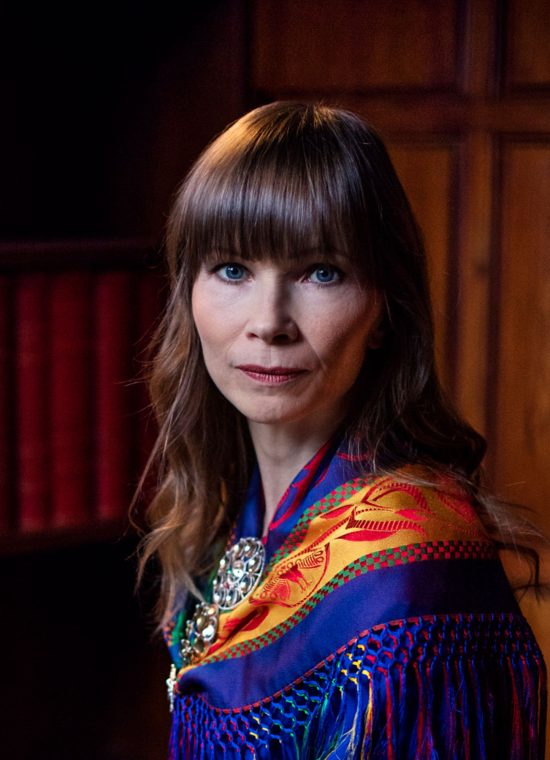
Ann-Helén Laestadius on her latest novel Stolen, and the Sámi community.
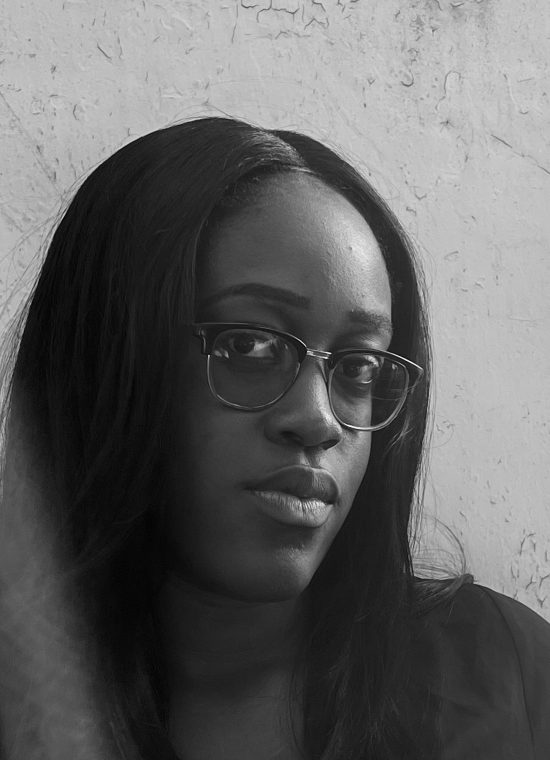
Elizabeth Johnson on the literary scene in Ghana, who's building it, and the value of publishing on the continent.
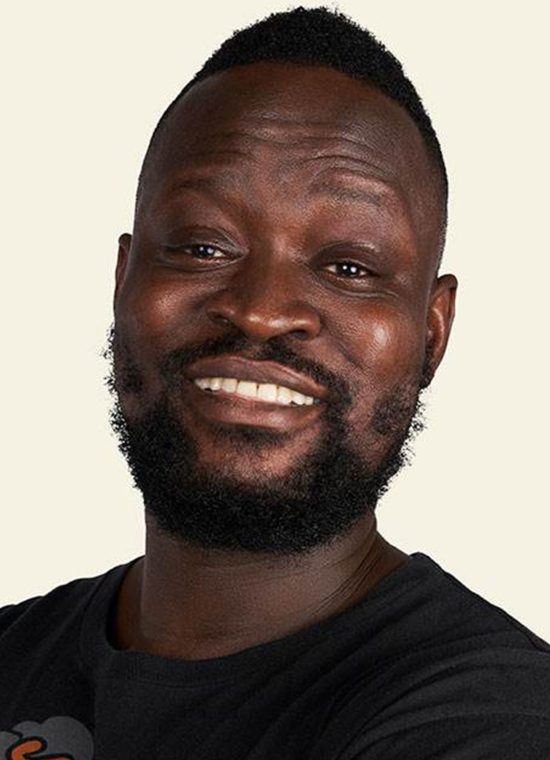
Dapo Adeola on his illustration marking Malorie Blackman winning the 2022 PEN Pinter Prize
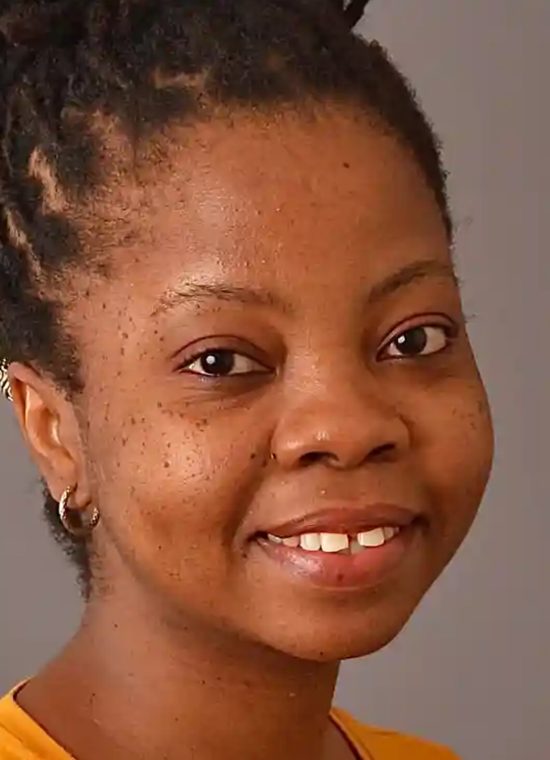
Idza Luhumyo, winner of the 2022 AKO Caine Prize, discusses short stories, agency, and power.
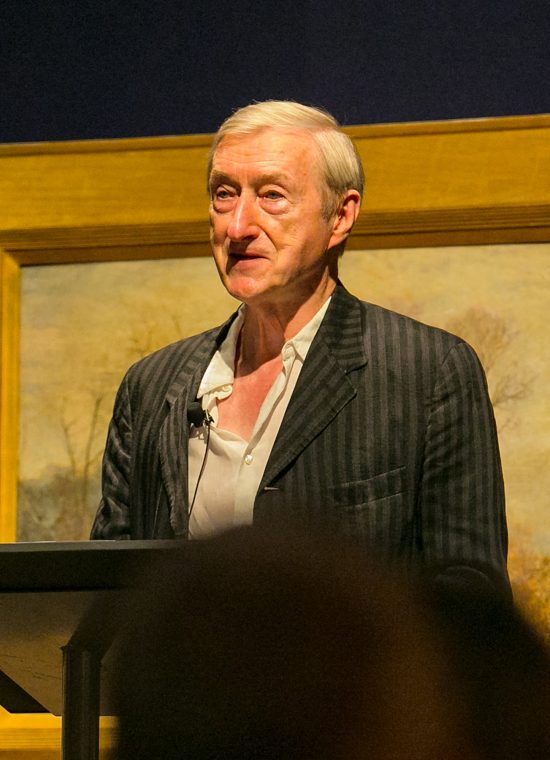
Julian Barnes on collecting books, reading books, and annotating books.

Olivia Laing discusses the power of art in an emergency, the role of bad art, and our current weather.

Zehra Doğan imagines the future: it is 3219 and art is a crime. Mirrors are banned. States who provide welfare to their citizens are brought before the European Court of Human Rights. And a country that imprisons its artists makes more and more money from tourists...


