Peace: Max Porter’s 2026 PEN Lecture
English PEN’s annual PEN Lecture delivered by Max Porter on 29 April 2026.
English PEN’s annual PEN Lecture delivered by Max Porter on 29 April 2026.

Solvej Balle on time, morality, and searching.

Deepa Rajagopalan on creating space at the centre.

Em Dial on archives and invitations of silence.

Christine Wu on reimagining family history.

Nurcan Baysal on Kurdish language, culture and identity. Translated by Nazım Dikbas.

Jordan Aitcheson-Labarr on viewing a turbulent world through Hip Hop

Kamran Sajid on Panjabi folk music

Rana Haddad and Raphael Cormack on holy men, charlatans, and how 'East' and 'West' saw each other.
Issam Kourbaj on found art, the imagery of boats, and urgent archives.

Johanne Lykke Holm on gender, witches, and doppelgängers.
Tallulah Howarth on embracing your poetic mind.

Finlay Worrallo on writerly intentions and the translation of ideas.

Sema Kaygusuz on language, water and renewal. Translated by Nicholas Glastonbury.

Chloe Gong on how YA fiction and Shakespeare shaped her writing voice.
Sophie Lau on the complex relationship with her mother tongue.

Mariam Jallow on the folklore, fear, and storytelling.

Janika Oza on language and migration.
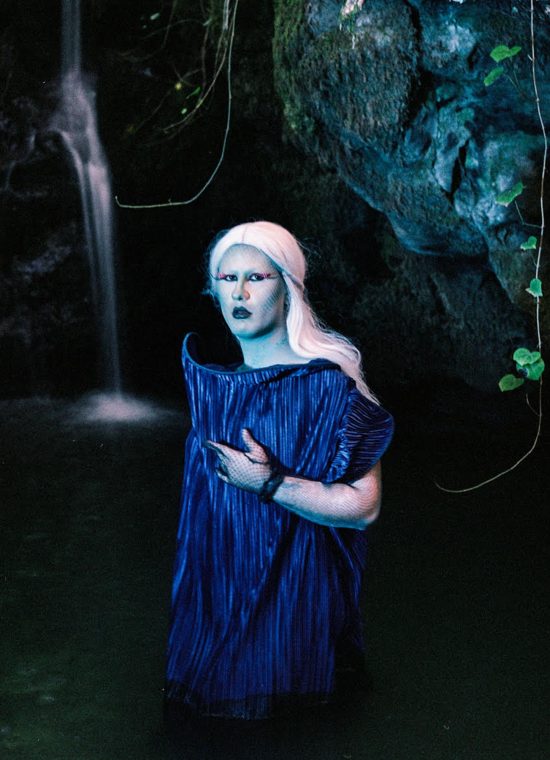
Lilith Bardakçı on the history and evolution of Lubunca, the language spoken by the LGBTQ+ community in Turkey.
Monica Ali's PEN H.G. Wells Lecture
By Gazan writer Nayrouz Qarmout, translated by Sawad Hussain and Perween Richards.

Aoko Matsuda and Polly Barton on prizes, patriarchy and politics.
Deepa Bhasthi's call for translations with accents.
Elisa Victoria on child narrators, comics, and post-Franco Spain. Translated by Charlotte Whittle.
Ann-Helén Laestadius on her latest novel Stolen, and the Sámi community.

Norman Erikson Pasaribu on a mother’s choice and how writing saved them
Shehan Karunatilaka on language, living history, labour and luck.
Elizabeth Johnson on the literary scene in Ghana, who's building it, and the value of publishing on the continent.
Idza Luhumyo, winner of the 2022 AKO Caine Prize, discusses short stories, agency, and power.
Julian Barnes on collecting books, reading books, and annotating books.
Pajtim Statovci talks to Octavia Bright about tricky protagonists, Albanian mythology and multilingualism
Ariel Saramandi on Mauritius, identity, and the languages in which she writes, thinks and dreams.
Kritika Pandey, winner of the 2020 Commonwealth Short Story Prize, talks about transgressing cultural norms, protesting, and Hinglish.
Three writers discuss language and power.

Syrian-German novelist Rafik Schami discusses liberty, storytelling, language and exile.

Daisy Johnson investigates how our nature is shaped by language.
Poet and performer Simon Mole reflects on his experience of welcoming young people to the UK through the act of writing as part of English PEN’s multilingual outreach project Brave New Voices.
Elena Ferrante writes for PEN Atlas about the impact of reading Madame Bovary
Following recent political reforms, Lucas Stewart investigates the impact on writers in the country, and whether there is real change in the air for ethnic literature and languages
In another fascinating piece for PEN Atlas, Gazmend Kapllani recounts his journey through languages, the difficulties and opportunities of being a multi-lingual author and how the language of the Other goes back to Homer and the birth of storytelling
In this week's PEN Atlas piece, Michele Hutchison reports from the 43rd Poetry International festival in Rotterdam, investigating why it is certain poems are more likely to be translated