
A World That’s Slowly Slipping Through Our Fingers: An Interview with Joanna Elmy
Joanna Elmy on hate, home, and brands.
Joanna Elmy on hate, home, and brands.

Michelle Steinbeck and Jen Calleja on fascism, femicide, and ghosts.

Solvej Balle on time, morality, and searching.

Deepa Rajagopalan on creating space at the centre.

Nurcan Baysal on Kurdish language, culture and identity. Translated by Nazım Dikbas.

Rana Haddad and Raphael Cormack on holy men, charlatans, and how 'East' and 'West' saw each other.
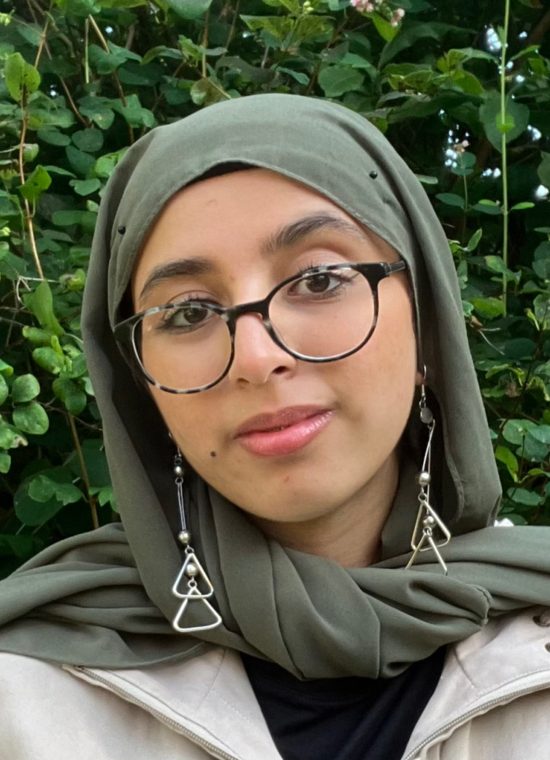
Tayiba Sulaiman on memorialisation.
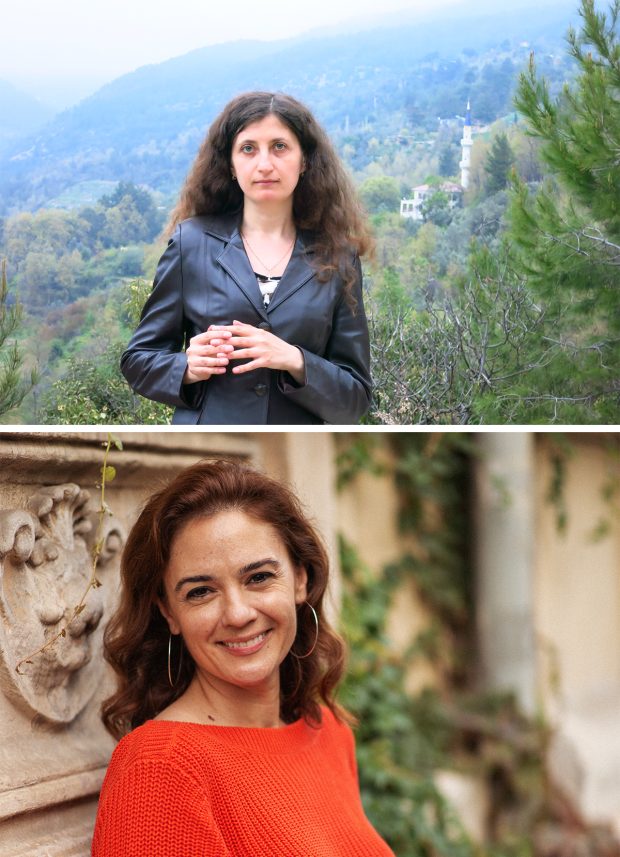
Liliana Corobca and Monica Cure on children, Moldova, and secrets.

Janika Oza on language and migration.

Aoko Matsuda and Polly Barton on prizes, patriarchy and politics.
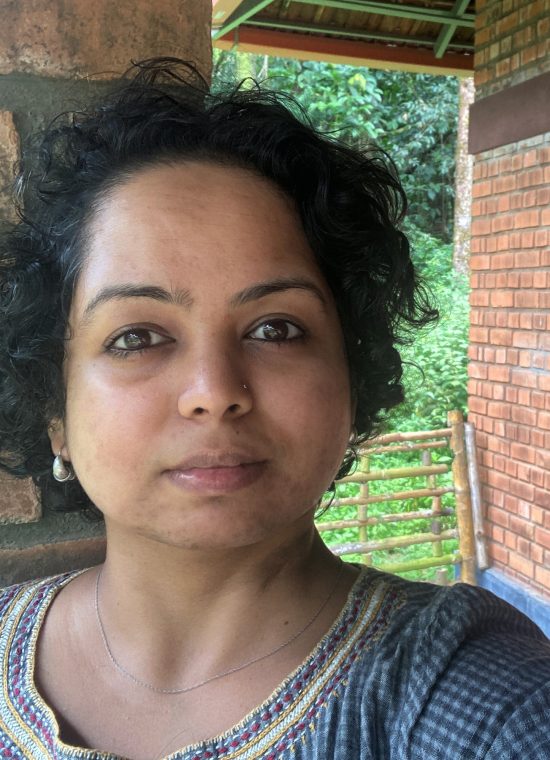
Deepa Bhasthi's call for translations with accents.
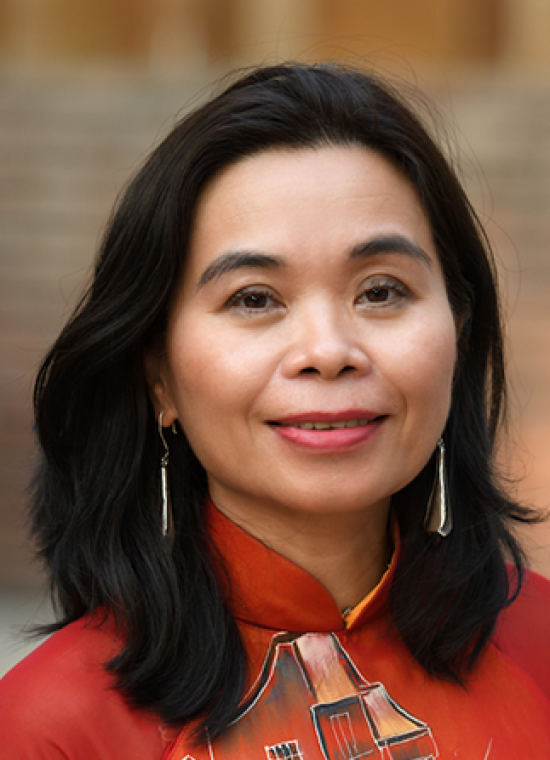
Nguyễn Phan Quế Mai on decolonising literature about Việt Nam by writing in the language of the coloniser.
Astrid Alben on language, childhood, photographs and translation.
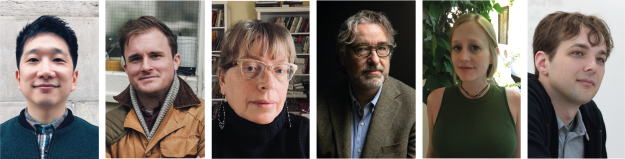
The shortlisted translators of the 2022 International Booker Prize in conversation with Ellah P. Wakatama.
Sascha A. Akhtar on the literature of South Asia, and young people translating Urdu poetry.

Lauren Elkin on translating de Beauvoir's newly discovered novel The Inseparables.
Anna Aslanyan on the perils of translating news.
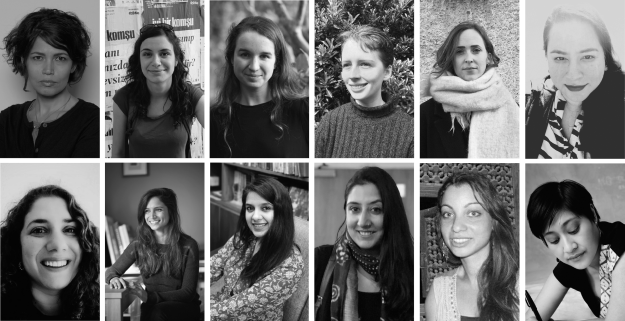
Ayça Türkoğlu, Filiz Emre, Gitanjali Patel, Harriet Phillips, Jessie Spivey, Katharine Halls, Kavita Bhanot, Khairani Barokka, Naima Rashid, Nariman Youssef, Mohini Gupta and Reem Abou-El-Fadl

The shortlisted translators of the 2021 International Booker Prize in conversation with Maureen Freely.
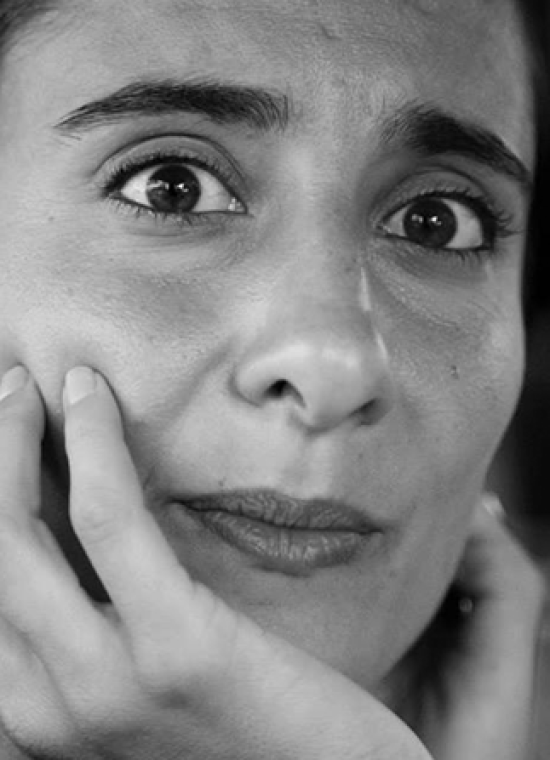
Sophie Lewis on translating Noémi Lefebvre.
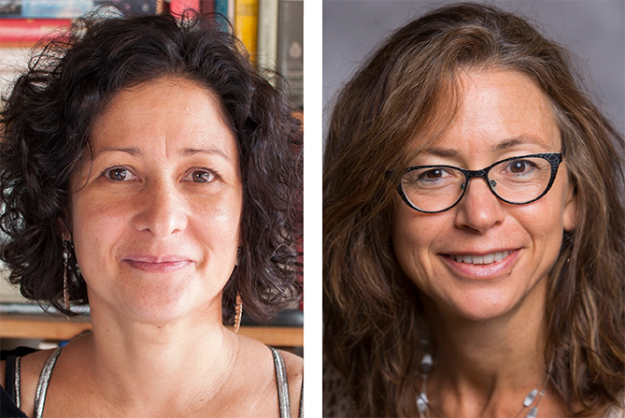
Pilar Quintana and Lisa Dillman, author and translator of PEN Translates award-winning The Bitch, are interviewed by the English PEN Membership from their homes in Colombia and the USA.
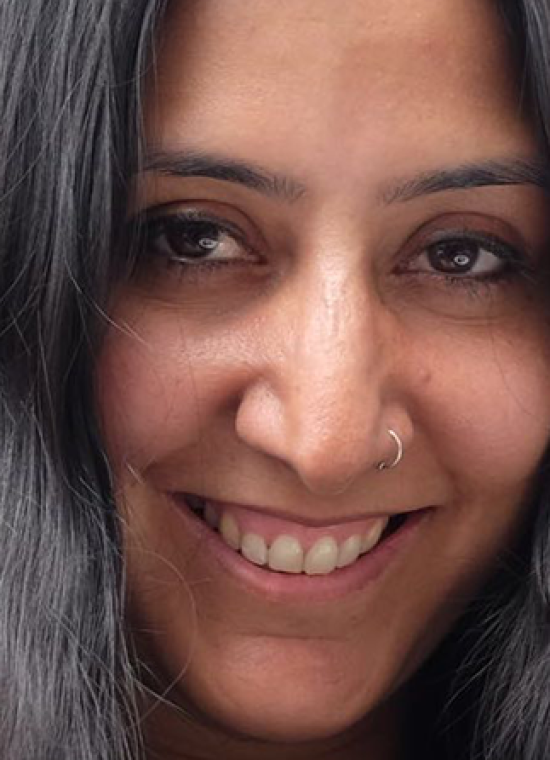
Kavita Bhanot writes on mother-tongue shame, translating across generations, and decolonising translation.
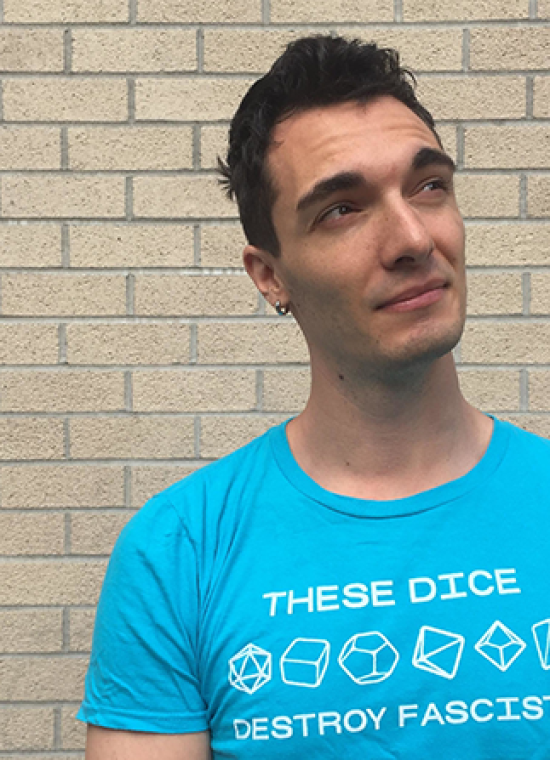
Alex Valente on translating fascism between Italy, the UK and the US.
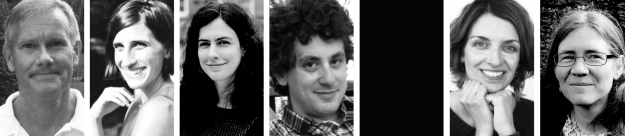
The shortlisted translators of the 2020 International Booker Prize in conversation with Georgina Godwin.
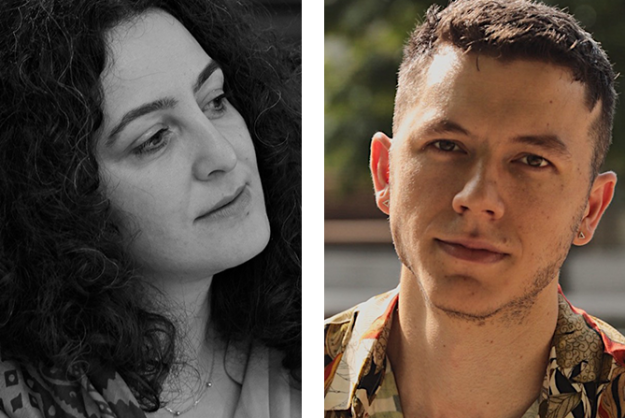
Sema Kaygusuz and Nicholas Glastonbury discuss shame, representation and the Turkish language.

Iranian-Canadian novelist and translator Akram Pedramnia writes on translating James Joyce into Persian, evading the censors, and imperial co-option of resistance.

Syrian-German novelist Rafik Schami discusses liberty, storytelling, language and exile.
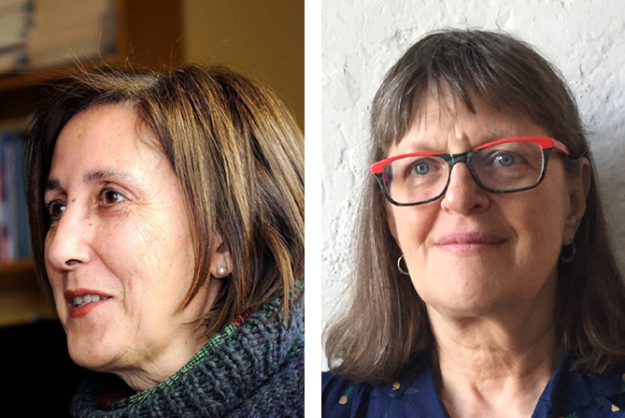
Galician poet Chus Pato and Canadian poet and translator Erín Moure discuss collaboration, Francoism, language rights and iconoclasm.
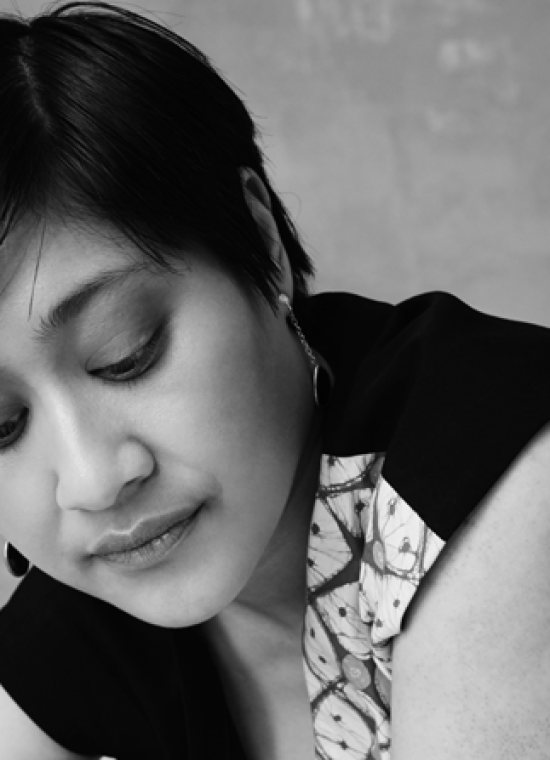
Indonesian writer and artist Khairani Barokka writes on ableism in literature and translation.

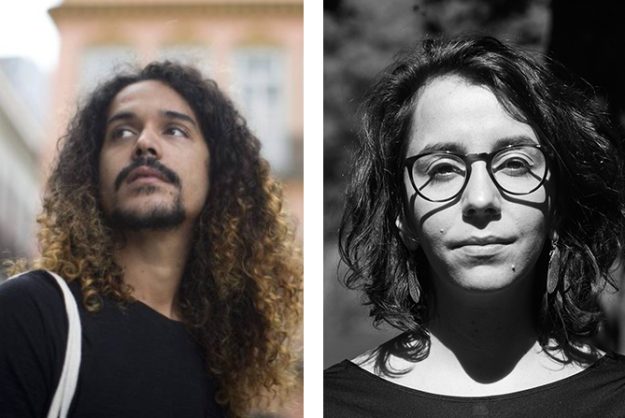
The last in our series with Granta magazine on writers and their translators, Geovani Martins writes new short fiction, and Julia Sanches writes on translating it.

The second in our series with Granta on writers and their translators, José Eduardo Agualusa and Daniel Hahn share an embrace.
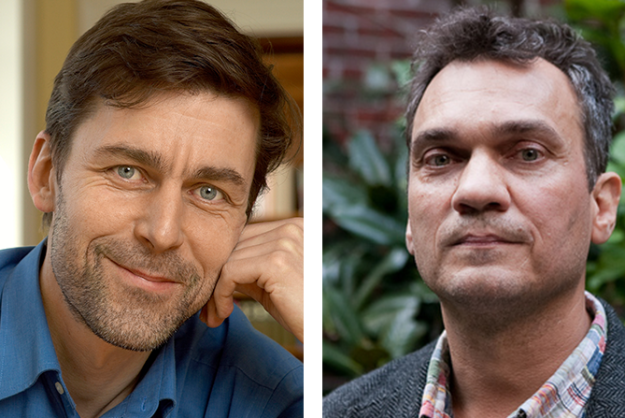
The first in our series with Granta on writers and their translators, Peter Stamm pens new short fiction and Michael Hofmann writes on translating Stamm.
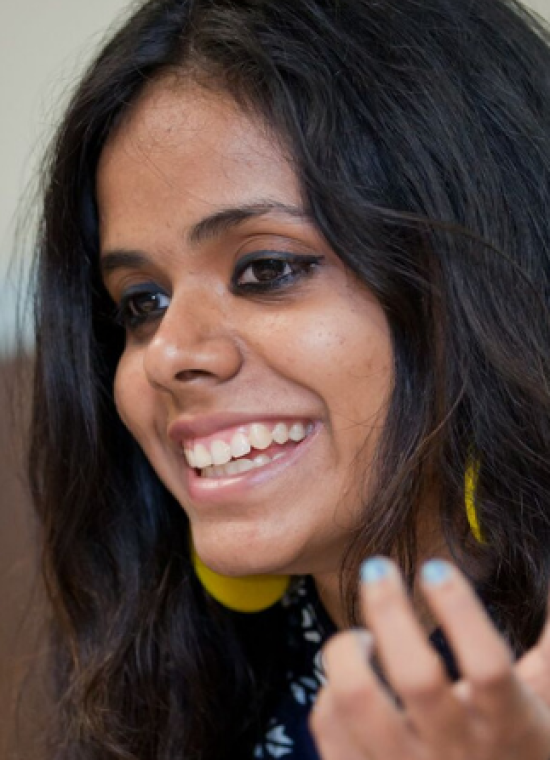
Meena Kandasamy is a writer, translator, activist and feminist who challenges comfortable notions of Western feminism, capitalism, and imperialism in her work. We talked to her per email about translating Tamil writers, nationalism and feminism, and the false dichotomy of a political and a private sphere.
Elena Varvello explores the idea of place as a multitude of characters in her writing.
This is how my imagination works, I suppose: mysteriously, the process of writing always begins with a place.
Exclusive preview of the title poem, 'If this is a lament', from a new chapbook of work by Turkish poet Bejan Matur, translated by Jen Hadfield and Canan Marasligil.
An emerging translator reports from the frontline of International Translation Day 2016 at the British Library.
As translators and publishers from around the world gather for the 2016 London Book Fair, Writers in Translation programme manager Erica Jarnes reflects on the theme of ‘reputation’ with respect to non-Anglophone writers.
To mark International Women’s Day 2016, the founder of #readwomen gives her top recommendations of women writers in translation.
The author and translator of A Flight Over the Black Sea (Waterloo Press) talk to PEN Atlas about working together, their inspirations and the power of poetry in times of war.
In this PEN Atlas Q&A, PEN Atlas editor Tasja Dorkofikis interviews Peter Stamm, one of Switzerland’s best-known writers and author of the novel All Days Are Night and short story collection We Are Flying, published by Portobello Books this month.
Writer and translator Daniel Hahn writes from Bologna Children's Book Fair about the challenge of bringing more children's literature from 'the world' into English
S J Naudé writes about the experience of translating your own short story collection
Halt your book purchases: PEN Atlas has everything you need
Syrian journalist and short story writer Rasha Abbas interrogates the role of art and literature in conflict
In the run-up to the London Book Fair 2014, where South Korea is the market focus, we have the first in a series of pieces from the region: today Chi Young-Kim writes about the varied places translators go to, from baseball blogs to animal fables, when transporting the reader into the world of the novel
To celebrate World Book Day, we're publishing a short story by Carole Martinez, translated by Howard Curtis.
Want some expert advice on what to read in translation? Then look no further. Top writers, literary scouts, critics and festival directors recommend books to give - and devour - during the festive season. Enjoy!
What does the future hold for the publishing of literature in translation? Stefan Tobler from And Other Stories takes us through the independents, small presses, social enterprises and community interest companies using innovative ways to publish work from around the world
Adam Thirlwell takes us through the utopian goals and surprising results of Multiples, an experiment in translation. Charting dozens of countries, languages and authors, this anthology is playful yet subversive, questioning the purpose of translation, the idea of style and the future of the novel
From constant earthquakes to a Borges story, Giorgio Vasta's dispatch for PEN Atlas offers an original, honest and illuminating take on the current state of Italy and its politics
Hakan Günday unpacks the notion of authority and censorship, and considers its effects on civilians
This week's PEN Atlas features a moving piece of writing by Jáchym Topol about a man and his ailing mother.
In advance of his UK tour this week, acclaimed writer and painter Mahi Binebine treats PEN Atlas readers to a short story about young people in Morocco and the 'art' of sleeping.
Following her appearance at the Literary Translation Centre for London Book Fair 2013, Samia Mehrez writes about working collaboratively on the book Translating Egypt’s Revolution: The Language of Tahrir, which uses multiple perspectives to translate the linguistic and cultural meanings of the momentous events in her country
Award-winning translator Antonia Lloyd-Jones experiences extreme reactions to the latest crime novel she has translated on a recent trip to Poland...Here she tells the PEN Atlas of her time in Sandomierz, where she visits the setting of the novel by Zygmunt Miłoszewski.
PEN Atlas editor Tasja Dorkofikis talks to critically acclaimed writer Juan Gabriel Vásquez
Following our previous PEN Atlas piece by Diego Marani, his English translator Judith Landry talks us through the strange music of Finnish and translation as walking a tight-rope
In this week's PEN Atlas piece, award-winning Italian writer and European Commission official Diego Marani considers the role of the author in the translation process
In this week's PEN Atlas piece, Michele Hutchison reports from the 43rd Poetry International festival in Rotterdam, investigating why it is certain poems are more likely to be translated
This week the PEN Atlas hears from British Palestinian writer Selma Dabbagh. In the first despatch, Selma describes her journey into Palestine; the sights, sounds and people she encounters en route.
This week's PEN Atlas despatch is from Dubravka Ugresic, who considers a specific human species and its survival: the writer.
In this week's PEN Atlas despatch editor and translator Michele Hutchison introduces some of the greatest Flemish writers...
The PEN Atlas continues this week with a two-part blog sequence. The first despatch comes from one of China's most established writers, Yan Lianke, who reflects on mechanisms of censorship.
This week's PEN Atlas despatch comes from Krys Lee, who takes a look at the literature from (and about) North Korea that is available in English translation.


