About the book
About
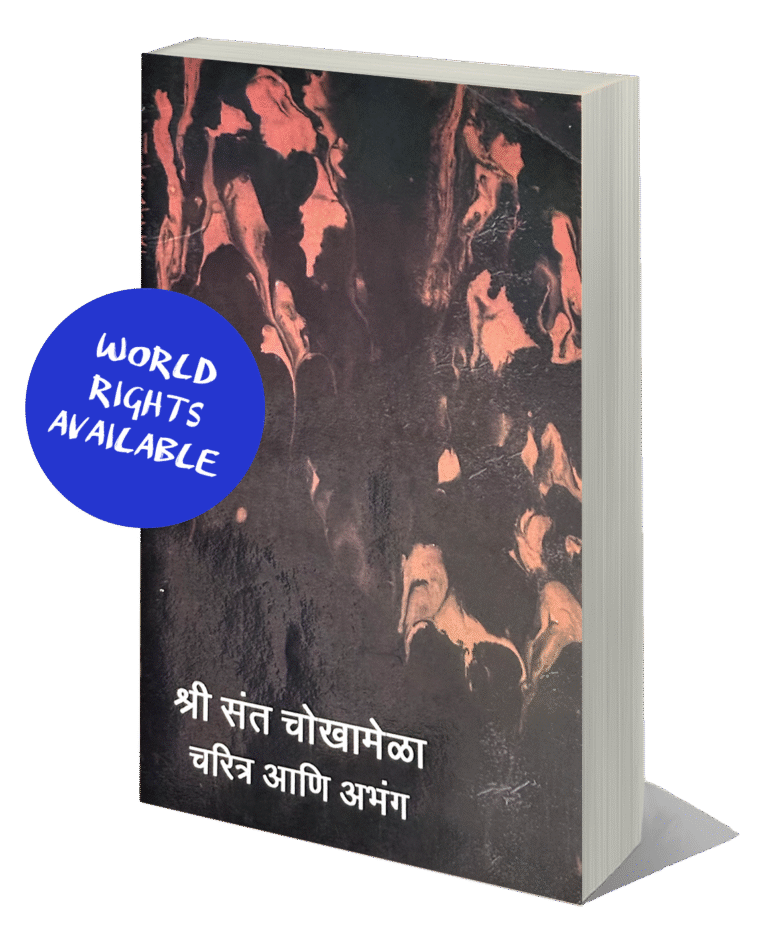
This collection brings together the selected works of four Dalit poets who attained sainthood in the face of extremely casteist environment of the 14th Century Maharashtra. Born in the Mahar community, Soyarabai, her son Karma Mela, her husband’s sister Nirmala and Nirmala’s husband Banka gave voice through their poetry to the centuries of injustice inflicted upon them in the name of untouchability. Together, with the head of their family, Saint Chokha Mela, they laid the foundations of Dalit literature that changed the literary landscapes of India.
What our readers say
Chandrakant Mhatre’s translations of the poems of Soyrabai, Karma Mela, Nirmala, and Banka bring into English a vital, yet underrepresented body of 14th-century Marathi Bhakti poetry. These translations demonstrate deep engagement with the source texts and a clear ethical commitment to making the voices of the saint-poets accessible to contemporary Anglophone readers.
Mhatre’s translations remain faithful to the spirit and emotional force of the original poets, for whom acts of devotion are inseparable from experiences of deprivation, caste humiliation, ritual exclusion, and the longing for divine justice. Mhatre successfully conveys the starkness, urgency, and intimacy with which these poets address Vitthal, preserving the performative, oral abhang tradition within the Bhakti lineage.
The translations may come across as austere, even deliberately plain. This restraint is purposeful. By avoiding embellishment or lyric inflation, by using simple, everyday language, these songs of working, largely illiterate communities are presented with precision, repetition, and moral insistence, bringing out their literary worth.
The extensive annotations and contextual notes are a major asset. They enable readers unfamiliar with the cultural and historical context of 14th-century Maharashtra to grasp the significance of caste hierarchies, temple exclusion, gendered labour, and Varkari philosophy without overburdening the poems themselves.
In the completion of this project of translation, there is a strong potential to resonate with contemporary readers engaged with questions of caste, gender, and social justice, and Mhatre achieves that.
Rights available
World English